1. Contesto del progetto
Un cliente di un'infrastruttura di servizi pubblici necessitava di una rete di sorveglianza industriale affidabile per un sito esterno geograficamente distribuito che comprendesse:
- Zone di distribuzione elettrica
- Recinzione perimetrale
- Punti di controllo del monitoraggio remoto
- Ricoveri per attrezzature
- Varchi di controllo accessi
- Aree di stoccaggio all'aperto
Poiché le posizioni di monitoraggio erano sparse su una vasta area, la tradizionale implementazione di Ethernet in rame non era pratica a causa di:
- Limitazioni della distanza di trasmissione
- Elevato rischio di esposizione ai fulmini
- Interferenze elettromagnetiche da apparecchiature industriali
- Condizioni ambientali esterne
- Difficoltà nella distribuzione centralizzata dell'energia
Il cliente ha richiesto specificatamente una soluzione in grado di:
- Trasmissione in fibra a lunga distanza
- Affidabilità di livello industriale
- Gestione centralizzata della sorveglianza
- Supporto PoE per più telecamere IP
- Espansione futura scalabile
- Funzionamento stabile in ambienti esterni difficili
Per soddisfare questi requisiti, il progetto ha adottato un'architettura Ethernet industriale basata su fibra utilizzando:
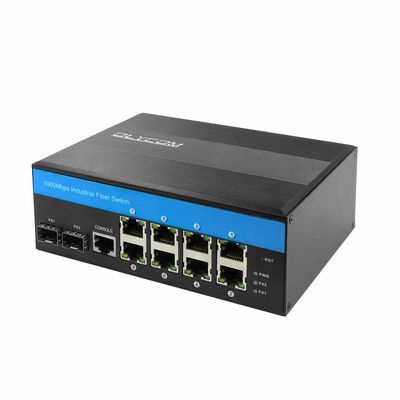
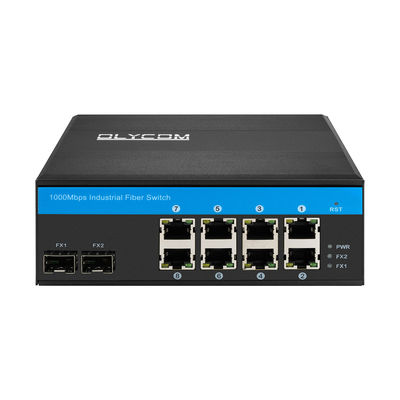
IM-FP888GWcome interruttore di aggregazione principale
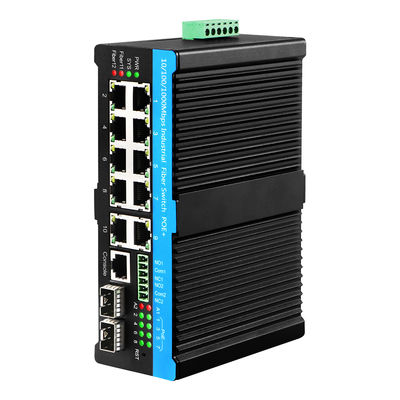
IM-FP21008GWcome switch di distribuzione PoE per esterni
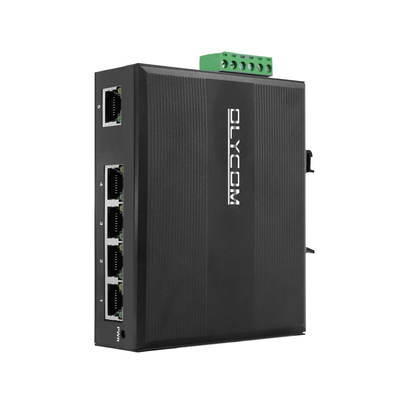
IM-WP054GEcome interruttore di accesso al bordo compatto
La soluzione finale ha creato una robusta dorsale CCTV industriale adatta al monitoraggio della sicurezza perimetrale e dei servizi pubblici 24 ore su 24, 7 giorni su 7.

2. Architettura della soluzione
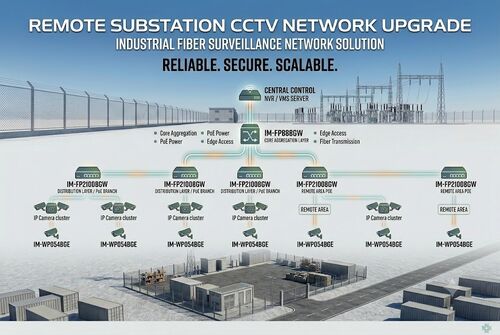
Progettazione della rete centrale:la soluzione è stata divisa in tre strati:
| Strato |
Dispositivo |
Funzione |
| Livello di aggregazione principale |
IM-FP888GW |
Aggregazione delle fibre e gestione del backbone |
| Livello di distribuzione |
IM-FP21008GW |
Distribuzione telecamere PoE da esterno |
| Strato di bordo |
IM-WP054GE |
Piccoli cluster di telecamere locali |
3. Topologia della rete
4. Ruoli del dispositivo
A. Livello di aggregazione principale: IM-FP888GW
QuestoInterruttore Ethernetfunge da centro di aggregazione delle fibre della rete di sorveglianza.
Vantaggi principali
- 8 porte in fibra SFP Gigabit
- Architettura gestita industriale
- VLAN e gestione del traffico
- Aggregazione di fibre a lunga distanza
- Supporto protezione anello
- Protezione EMC industriale
- Distribuzione su guida DIN
L'IM-FP888GW aggrega tutto il traffico di sorveglianza remota e si collega direttamente alla piattaforma NVR/VMS.
È particolarmente adatto per:
- Sottostazioni di servizio
- Trasporto intelligente
- Campus industriali
- Ambienti minerari
- Impianti di petrolio e gas
Il dispositivo supporta il funzionamento di livello industriale e una protezione rafforzata per ambienti difficili.
B. Livello di distribuzione: IM-FP21008GW
Questo modello viene utilizzato su armadi esterni e pali di sorveglianza remota.
Caratteristiche principali
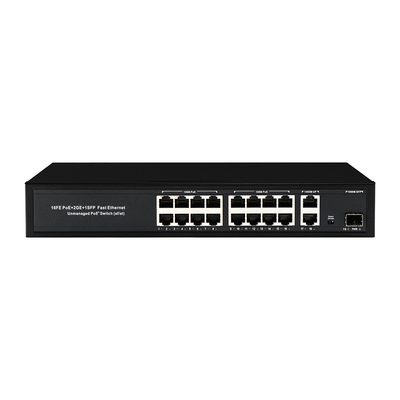
- 8 porte Gigabit PoE
- 2 uplink in fibra SFP
- Supporto IEEE802.3af/at/bt
- Uscita PoE fino a 90 W
- Intervallo di temperatura industriale
- Supporto anello ERPS
- Gestione VLAN/QoS/SNMP
- Protezione contro le sovratensioni
QuestoInterruttore PoE DINalimenta dispositivi ad alto consumo come:
- Telecamere PTZ
- Telecamere termiche IR
- AP wireless
- Telecamere edge AI
Fornisce inoltre uplink in fibra ridondanti per operazioni di sorveglianza ininterrotte.
C. Livello fotocamera Edge: IM-WP054GE
Questo interruttore compatto è ideale per piccoli cluster di telecamere.
Esempi di distribuzione
- Ingresso parcheggio
- Sezione di monitoraggio della recinzione
- Piccolo magazzino
- Stazione di guardia
- Distribuzione temporanea all'aperto
Vantaggi principali
- Funzionamento plug-and-play
- Downlink PoE a 4 porte
- Collegamento Gigabit
- Custodia industriale compatta
- Montaggio su guida DIN
- Protezione da sovratensione 6KV
- Design industriale per un'ampia temperatura
Questo modello riduce la complessità dell'implementazione mantenendo l'affidabilità industriale.
5. Perché la fibra è fondamentale nelle reti CCTV?
La trasmissione in fibra offre importanti vantaggi rispetto all'Ethernet in rame nei sistemi di sorveglianza industriale:
| Vantaggio della fibra |
Vantaggio pratico |
| Lunga distanza |
Fino a decine di chilometri |
| Immunità EMI |
Funzionamento stabile vicino a macchinari pesanti |
| Isolamento dai fulmini |
Danni alle apparecchiature ridotti |
| Larghezza di banda elevata |
Supporta più telecamere HD/4K |
| Stabilità della rete |
Minore perdita di pacchetti |
| Scalabilità |
Facile espansione futura |
Combinando switch PoE industriali con uplink in fibra, il cliente ha ottenuto sia un'erogazione di energia affidabile che una trasmissione stabile a lunga distanza.
6. Vantaggi reali in termini di implementazione
Dopo l'implementazione, il cliente ha ottenuto:
- Operazione di sorveglianza stabile 24 ore su 24, 7 giorni su 7
- Manutenzione semplificata
- Complessità ridotta del cabinet esterno
- Monitoraggio centralizzato
- Risoluzione dei problemi più rapida
- Espansione futura più semplice
- Minore rischio di tempi di inattività
Il design industriale ha inoltre migliorato significativamente l'affidabilità del sistema in ambienti esterni ad alta temperatura e umidità elevata.
7. Scenari applicativi consigliati
Questa architettura è particolarmente adatta per:
- Sorveglianza intelligente della città
- Fabbriche industriali
- Sottostazioni di servizio
- Fattorie solari
- Giacimenti di petrolio e gas
- Monitoraggio ferroviario
- Sorveglianza del porto
- Operazioni minerarie
- Sicurezza del campus
- Monitoraggio autostradale
8. Conclusione
Combinando:
- IM-FP888GW
- IM-FP21008GW
- IM-WP054GE
Il cliente ha costruito con successo una rete di sorveglianza industriale scalabile con:
- Trasmissione in fibra a lunga distanza
- Consegna PoE affidabile
- Protezione di livello industriale
- Gestione centralizzata
- Scalabilità pronta per il futuro
Questa soluzione dimostra come le tecnologie Ethernet industriali e di trasmissione in fibra possano migliorare significativamente le prestazioni e l'affidabilità delle moderne infrastrutture TVCC.


 Il tuo messaggio deve contenere da 20 a 3000 caratteri!